
Your Guide to Florida Motorcycle Passenger Laws
Posted on: September 16, 2025To ride on a motorcycle is to experience the wind in your face, the hum of the engine beneath you, and a sense of freedom that cars simply can’t match. For many, sharing that experience with a passenger only enhances the ride—whether it’s a spouse on a weekend cruise, a friend catching a lift, or a practical ride to work.
With year-round sunshine and scenic highways stretching from the coast to the countryside, it’s no surprise that motorcycles in Florida are a popular choice for both recreation and daily transportation. Riding two-up can be exhilarating, convenient, and in some cases, even necessary.
But while it’s common to see motorcycles carrying passengers, it also comes with unique safety risks and legal rules that every rider and passenger should understand.
Why Motorcycle Passengers Are Especially Vulnerable
Unlike motorcycle operators, passengers can’t steer, brake, or make split-second decisions in traffic. That lack of control makes them uniquely vulnerable in a crash. For this reason, motorcycle safety doesn’t just involve wearing the right gear—it depends heavily on the actions of the driver.
Anyone operating a motorcycle owes a duty of care to their passenger, just as drivers of any other motor vehicle must look out for the people riding with them. Reckless driving, speeding, or failing to anticipate traffic conditions can all put passengers at greater risk of serious injury.
That’s why the State of Florida has established specific laws designed to protect motorcycle passengers.
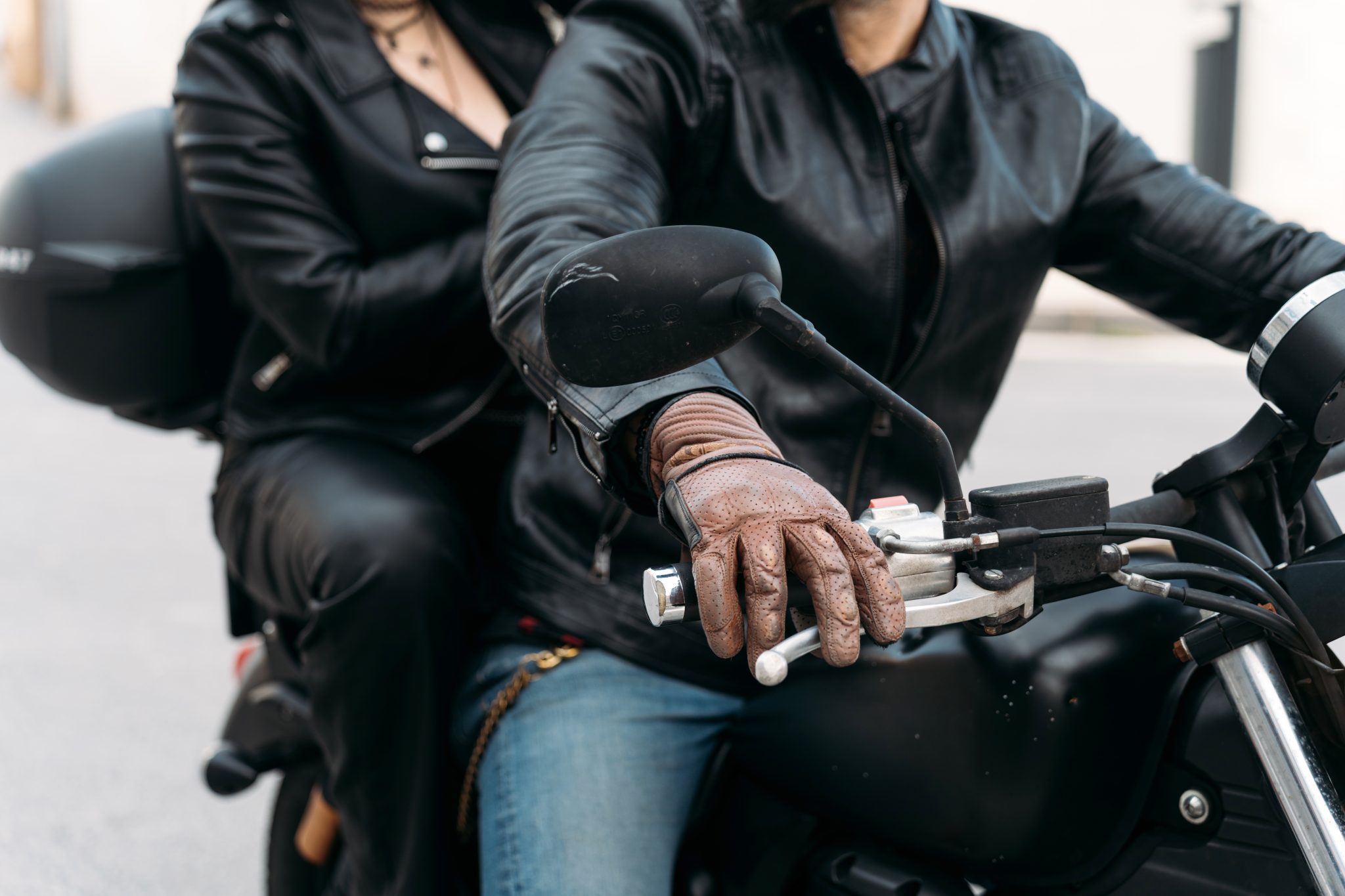
The State of Florida has several legal requirements in place to protect passengers when riding on a motorcycle. These laws cover how the bike must be equipped, who can ride, and what kind of protective gear is necessary.
- Passenger Seat and Footrests: A motorcycle must be equipped with a proper passenger seat and footrests before it can legally carry more than one person.
- Helmet Laws: Passengers under the age of 21 must wear a helmet at all times. Riders and passengers who are 21 or older may legally go without wearing a helmet only if they have at least 10,000 in medical benefits insurance coverage (§316.211, Fla. Stat.).
- Eye Protection: Both drivers and passengers must wear approved protective eyewear unless the motorcycle is equipped with a windshield.
These laws make it clear that motorcycle riders must meet specific safety standards before taking on a passenger.
But it’s also important to recognize that even when these rules are followed, motorcycle passengers remain highly vulnerable in a crash. Helmets and basic coverage may reduce risk, but they cannot prevent all injuries. Serious accidents can still result in head trauma, broken bones, internal injuries, or spinal damage—costs that often far exceed the required $10,000 in coverage.
Who Pays After a Motorcycle Passenger Is Hurt?
Unlike cars, motorcycles are not required to carry insurance, including Personal Injury Protection (PIP) coverage. This means that an injured passenger cannot automatically rely on no-fault benefits to cover medical bills after a crash.
Whether a passenger is covered depends entirely on the driver’s insurance policy. Some motorcycle policies include coverage for passengers, while others specifically exclude it. When coverage isn’t available, an injured passenger may need to seek compensation through:
- The motorcycle operator’s insurance (if it provides passenger coverage),
- The at-fault driver of another vehicle, or
- In some cases, directly from the motorcycle operator.
These gaps in coverage can leave passengers uncertain about how to pay for medical bills or lost wages. But even when insurance questions seem overwhelming, injured passengers still have rights — and an experienced attorney can help identify every possible source of recovery.
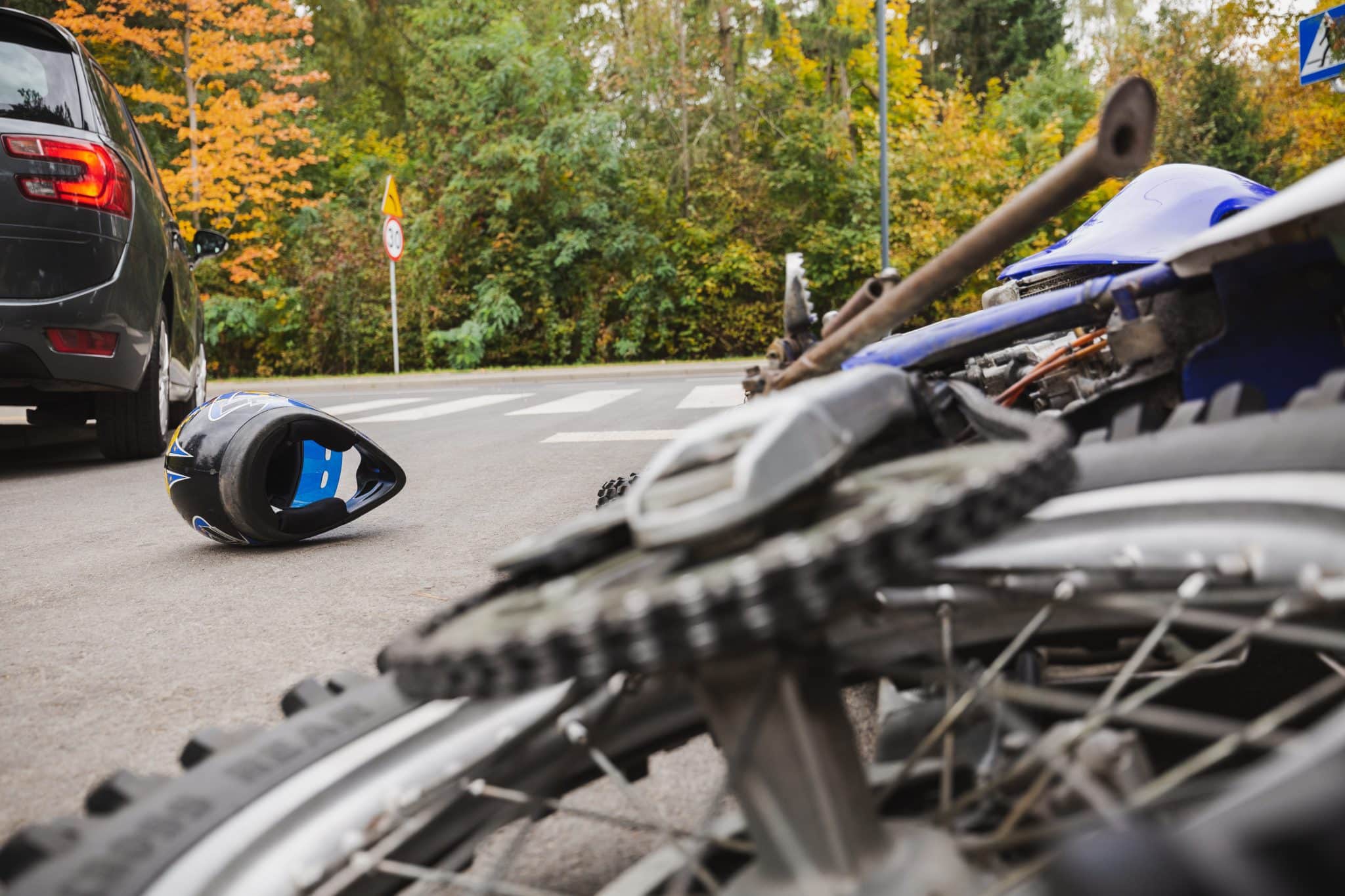
What Passengers Should Do After an Accident
If you’ve been injured as a passenger in a motorcycle accident, the steps you take right away can make a major difference in your recovery and in any future claim.
Here are the most important things to do:
- Seek medical care immediately. Even if your injuries don’t seem serious at first, symptoms of head trauma, internal bleeding, or spinal injuries may take time to appear.
- Document the accident and your injuries. Photos, witness statements, and medical records can be valuable evidence.
- Obtain the police report. This report can help establish fault and preserve important details.
- Consult with a personal injury attorney. Motorcycle accident cases can be complex, especially for passengers. An experienced lawyer can sort out the insurance questions and fight for the compensation you need.
Your Rights Matter, Let Us Defend Them
To ride a motorcycle in Florida as a passenger can be exciting, practical, and even necessary—but it also comes with risks that too often leave riders vulnerable. The laws in place are designed to promote safety, yet they can’t prevent every injury. And when insurance coverage isn’t guaranteed, passengers may be left wondering how they’ll pay for medical bills or move forward after a crash.
That’s where the right legal help makes all the difference.
At Beers & Gordon, we understand the challenges motorcycle passengers face after an accident, and we are dedicated to protecting their rights. If you or someone you love has been injured while riding as a passenger, don’t wait to get answers. Contact us today for a free consultation and let us fight for the compensation you deserve.