
Is Texting and Driving Illegal in Florida?
Posted on: July 21, 2025Yes, texting and driving is illegal in Florida and for good reason.
Every year, thousands of crashes on Florida roads are caused by distracted driving, with cell phone use being one of the most common and dangerous culprits.
Anyone that has driven on the road in Florida, has seen multiple drivers looking at their phones and paying no attention to the road.
If you’ve been involved in an accident and suspect the other driver was texting, this detail could significantly impact your case.
Florida law recognizes that texting behind the wheel isn’t just reckless, it’s a direct violation of a driver’s legal duty to operate their vehicle safely. And when that duty is breached, the injured party may have a stronger claim for compensation.
In this article, we’ll explain what Florida’s texting and driving law actually says, why it matters in car accident cases, and how it can shift fault—and financial responsibility—toward the at-fault driver.
If you’ve been hurt by a distracted driver, understanding this law could be an important first step in protecting your rights.

Is Texting and Driving Illegal In Florida?
Yes. Florida law explicitly prohibits texting while driving under Florida Statute §316.305, also known as the Florida Ban on Texting While Driving Law.
This law makes it illegal for a person to “operate a motor vehicle while manually typing or entering multiple letters, numbers, symbols, or other characters into a wireless communications device.” That includes sending text messages, emails, and instant messages.
Importantly, this is a primary offense, which means a law enforcement officer can issue citations solely for texting behind the wheel—no other traffic violation needs to occur first.
The law applies only while the vehicle is in motion, not while stopped at a red light or in traffic. However, even if a driver was technically stopped, if they were still interacting with their phone while rolling forward or not fully in control, that behavior could still factor into a distracted driving claim.
There are a few exceptions built into the statute. Hands-free use of a phone (for GPS navigation, voice calls, or reporting an emergency) is generally allowed. However, manually entering text while driving is clearly prohibited.
In school zones and construction zones, Florida law imposes even stricter rules, with enhanced penalties and heightened enforcement. These are high-risk areas where any form of distraction behind the wheel is treated especially seriously.
Drivers of commercial vehicles, such as trucks and buses, are held to even higher standards. Federal and state regulations impose stricter rules on cell phone use for these drivers, and violations can lead to serious penalties—not to mention heightened liability if an accident occurs.
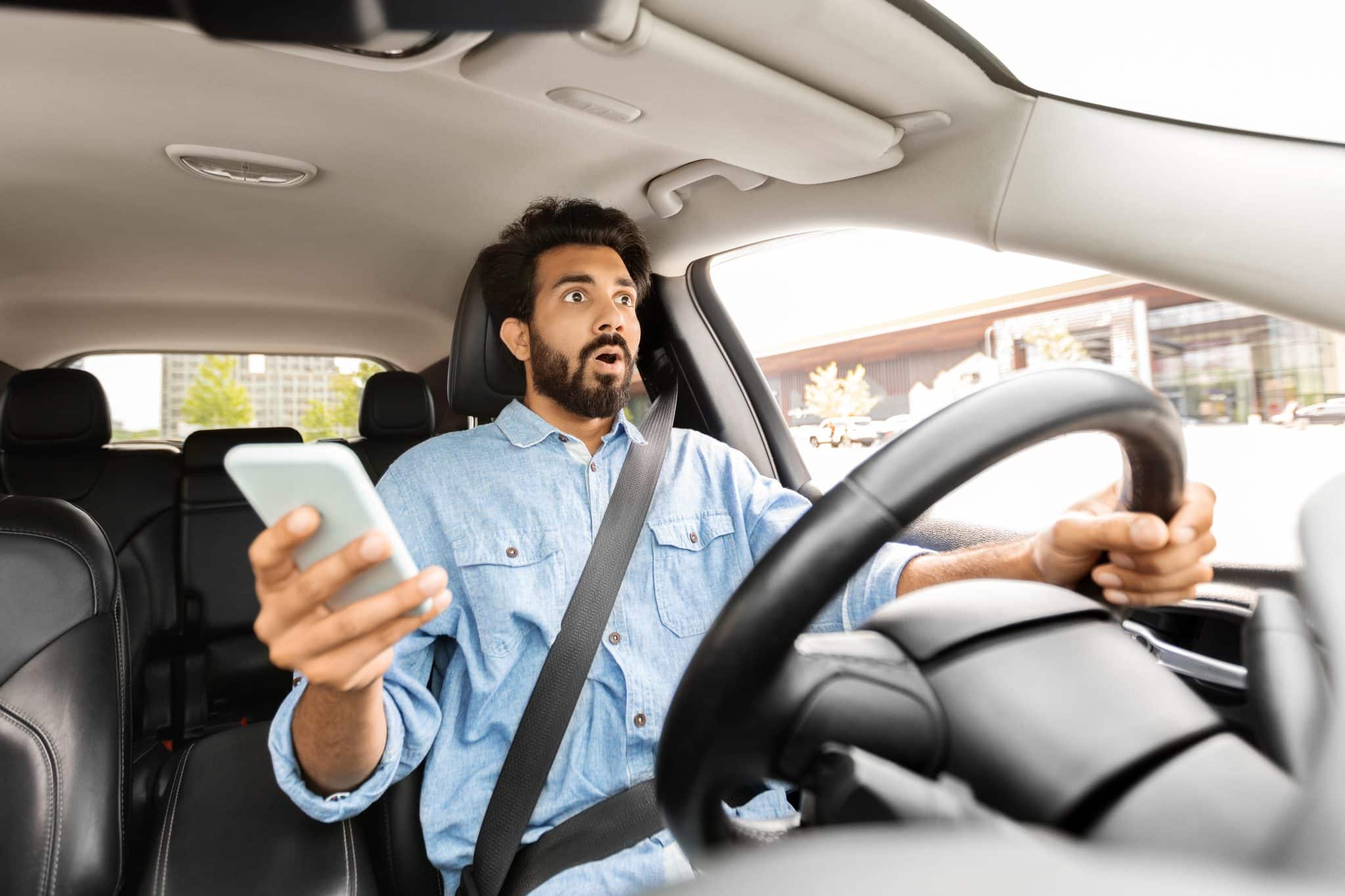
Texting while driving is considered one of the most dangerous forms of distracted driving because it takes your eyes off the road, your hands off the wheel, and your mind off the task of driving—all at once.
To understand just how dangerous this is, consider this: at 55 mph, taking your eyes off the road for just five seconds—the average time it takes to read or send a text—is like driving the length of a football field with your eyes closed. When traffic is moving at highway speeds, those few seconds can be the difference between a safe stop and a serious collision. Think of a person stepping out 100 yards away, and you do not see them during any of those 100 yards because of texting.
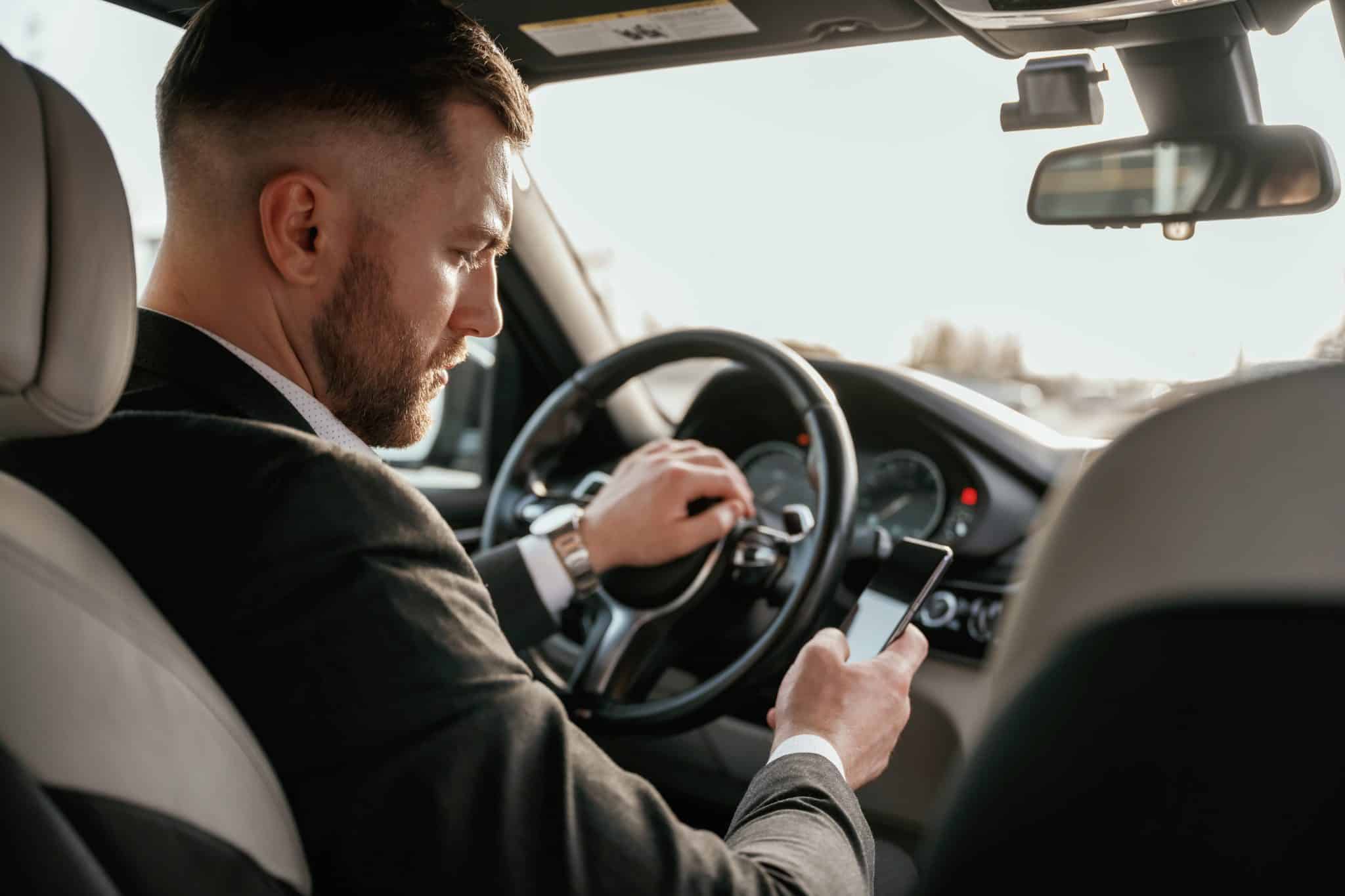
Beyond the physical dangers, there are legal and financial consequences. A driver caught texting behind the wheel can face fines, court costs, and points on their license. More importantly for victims, a citation for texting can be used as evidence of negligence in a personal injury claim.
What This Means For You
While car accidents should not be viewed in a positive light, it can help your case if you were injured in a crash by a texting driver.
When someone breaks a safety-related law and causes harm as a result, it may qualify as negligence per se—a legal concept that allows that violation to stand in for proof of negligence. In simple terms, the law was broken, someone got hurt, and that makes it easier to show fault.
Florida follows a comparative fault system, which means the amount of money each driver can recover depends on how much of the accident was their fault.
If the other driver was texting, they’re more likely to be assigned a greater share of the blame. And the more fault they bear, the more compensation you may be entitled to for things like medical expenses, lost wages, and pain and suffering.
But proving that the other driver was distracted isn’t always easy. Insurance companies may deny or minimize what happened, and without clear evidence, it can become your word against theirs.
That’s why working with a car accident attorney is so important—especially one who understands how to investigate distracted driving claims. From reviewing police reports to identifying witnesses or subpoenaing phone records when necessary, an experienced lawyer can help you build a case that clearly establishes fault.
Strengthen Your Accident Case
If you’ve been injured in a crash caused by someone who was texting while driving, you may have more legal options than you realize. Because Florida law makes texting behind the wheel a primary offense, it not only results in fines—it also helps establish fault in personal injury cases.
But proving you are not at fault for a car accident isn’t always simple.
At Beers & Gordon, we understand how to hold negligent drivers accountable and build strong cases for people who’ve been hurt by distractions that never should have happened in the first place.
If you’ve been injured by a texting driver, contact us today for a free consultation. We’re here to help you understand your rights and fight for the compensation you deserve.