
What To Do After a Rental Car Accident
Posted on: June 25, 2026A rental car accident can feel confusing right away. You may be dealing with injuries, another driver, a rental agreement, your own insurance company, the rental car company, and possibly a credit card coverage issue all at the same time.
The biggest question is usually simple:
“Is insurance going to cover this?”
The answer depends on several key factors. Your personal auto policy may apply. The rental car company may have coverage options. Your credit card may offer benefits if you used it to rent the vehicle. The other driver’s insurance may also matter if they caused the crash.
Even when you believe coverage should apply, an insurance company may still look for a reason to limit, delay, or deny payment. That is why the steps you take after a rental car accident matter.
Here’s what you need to know if you were involved in a rental car accident.

What To Do Right After a Rental Car Accident
The steps to take immediately after a rental car accident are largely the same as what you should do after a typical car accident. First, make sure everyone is safe. Check yourself, your passengers, and anyone else involved in the crash.
If anyone may be hurt, call 911. Even if the crash seems minor, it is usually best to report the accident and create a record of what happened.
If the vehicles can be moved safely, get out of the flow of traffic. Florida law requires drivers to make every reasonable effort to move a vehicle after certain crashes so traffic is not blocked. Use caution, especially on a busy road or highway. Florida Statute 316.061
While you wait for law enforcement, exchange information with the other parties involved. Try to collect:
- Name, address, phone number, and email
- Insurance company and policy number
- Driver’s license number
- Vehicle registration information
- License plate number
- Rental car company information, if another rental vehicle was involved
- Names and contact information for any witnesses
Use your phone to document the scene. Take pictures of the vehicles, damage, license plates, insurance cards, driver’s licenses, road conditions, signs, traffic signals, and anything else that may help explain what happened.
Write down notes while the details are fresh. Include the location of the crash, the direction each vehicle was traveling, the lane you were in, and how the accident happened.
Be careful with what you say at the scene. Do not admit fault or apologize. It may feel polite in the moment, but statements like that can be used against you later. Ask if others are okay, cooperate with law enforcement, and stick to the facts.
If another driver admits fault, ask if they are willing to repeat that statement on video or audio. Do not argue with them. If the situation becomes difficult, wait for the police.
Call the Rental Car Company and Report the Crash
After the immediate safety concerns are handled, contact the rental car company. The emergency number may be listed on the rental agreement, on the key tag, in the rental company’s app, or on a sticker inside the vehicle.
Tell them there was an accident and ask what they need from you. The rental company may require its own accident or incident report. That report will often ask for the same basic information you already gathered at the scene.
Before agreeing to anything, be careful about making statements that sound like you are accepting fault. You can report what happened without guessing, speculating, or minimizing your injuries.
You should also ask the rental company what happens next with the vehicle. They may tell you whether the car needs to be towed, where it should be taken, and whether you need a replacement vehicle.
Will Insurance Cover a Rental Car Accident?
Rental car accident coverage depends on the policies and agreements involved. There may be several possible sources of coverage, and each one may have limits, exclusions, or reporting requirements.
Your Personal Auto Insurance
If you used your own car insurance for the rental, notify your insurance company that the crash happened. Ask whether your policy applies to rental vehicles and whether you have collision, comprehensive, liability, uninsured motorist, or other coverage that may be relevant.
If your insurance company says you are not covered, ask for the exact policy language they are relying on. Do not accept a general explanation over the phone without asking where the policy says rental vehicles are excluded.
You should also ask about your deductible. A deductible is the amount you may have to pay out of pocket before insurance pays for covered damage.
Rental Car Company Coverage
If you purchased coverage through the rental car company, review the agreement carefully. Some rental coverage may help with damage to the rental vehicle. Other coverage may address liability or injuries. The details matter.
Do not assume that buying coverage from the rental counter means every possible issue is covered. Ask for the specific terms and exclusions.
Credit Card Rental Car Coverage
Some credit cards offer rental car coverage if you used that card to rent the vehicle. This can vary by card, state, rental type, and the length of the rental.
Contact your credit card company and ask whether rental car coverage applies. Ask what documentation they need, whether the coverage is primary or secondary, and whether the state where the vehicle was rented is excluded.
The Other Driver’s Insurance
If another driver caused the accident, their insurance may be responsible for some of the damages. That does not mean their insurance company will make the process easy.
The other driver’s insurer may question fault, dispute your injuries, argue about the value of the claim, or try to shift blame. Be careful when speaking with them, especially before you understand your injuries and coverage options.
If the rental car accident was not your fault, you should still report the crash, document the scene, and notify the rental car company. Being “not at fault” does not automatically make the process simple.
You may still have to deal with the rental company about damage to the vehicle. Your own insurance company may still need notice. The other driver’s insurance company may still investigate and look for ways to reduce what it pays.
Do not assume the other driver’s insurer will accept responsibility just because the crash seems clear to you. Pictures, witness information, the police report, and medical documentation can all become important.
If you were hurt, get medical attention as soon as possible. Waiting too long can give the insurance company room to argue that your injuries were not related to the accident or were not serious.
What If Someone Hit Your Rental Car and Left?
A hit-and-run involving a rental car can create even more confusion. You may not know who caused the damage, and the rental company may still expect answers about what happened to the vehicle.
If someone hits your rental car and leaves, report the crash to law enforcement. Document the damage, the location, the time, and any details you remember about the other vehicle. Look for witnesses, nearby businesses, security cameras, or parking lot cameras that may have captured what happened.
You should also notify the rental company and your insurance company. Depending on your coverage, uninsured motorist coverage, collision coverage, rental company coverage, or credit card benefits may become important.
Do not guess about what happened if you did not see the crash. Stick to what you know and document everything you can.
What If You Damaged the Rental Car?
If you damaged the rental car, report it promptly. Trying to ignore or hide rental car damage can create bigger problems later.
Take photos before the vehicle is moved or returned. Photograph the damage from several angles and keep copies of any repair estimate, tow receipt, rental company report, police report, or insurance communication.
Ask the rental company what charges they are claiming and what documentation supports those charges. Rental car damage claims may include repair costs, administrative fees, towing, diminished value, or loss-of-use charges while the vehicle is being repaired.
Before paying or signing anything, review your insurance policy, rental agreement, and credit card benefits. If the amount is significant or someone was injured, it may be wise to speak with an attorney before making decisions that affect your claim.
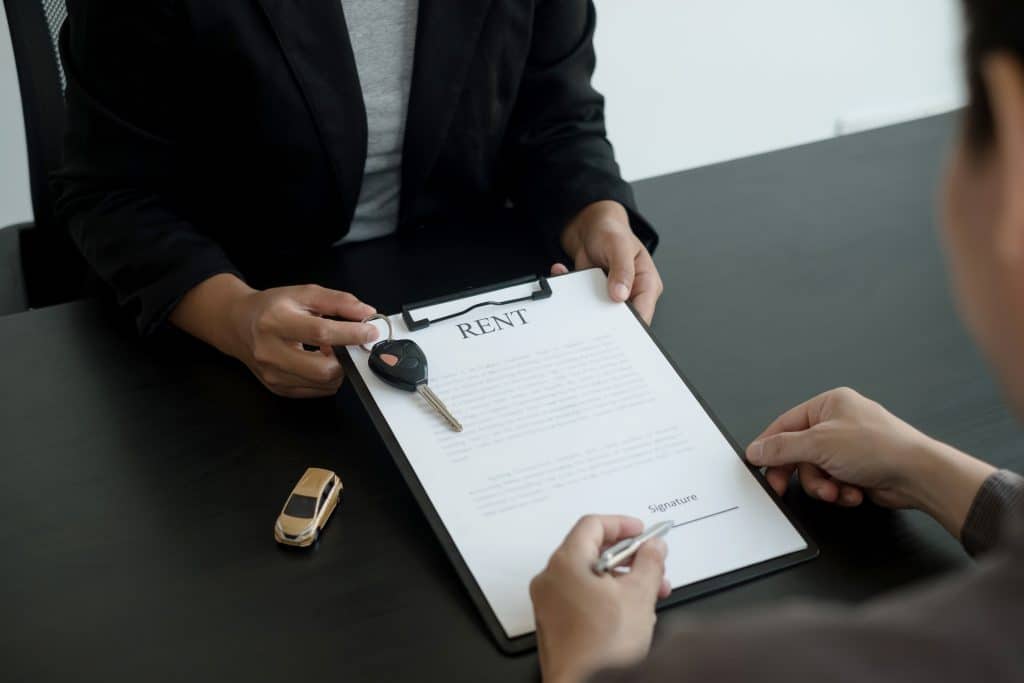
Different Types of Rental Car Accident Coverage
A rental car accident can feel overwhelming because several types of coverage may overlap. The important thing is not to assume you are covered or uncovered until the policies and agreements are reviewed.
Here are some types of coverage that may come up after a rental car accident:
- Collision damage: Your personal auto policy may cover damage to the rental car if you have collision and comprehensive coverage. Do not assume this applies. Check your policy or speak with your insurance agent.
- Liability coverage: Your liability insurance may extend to a rental car, but you need to confirm the details. If it does not apply, supplemental liability protection purchased through the rental company may matter.
- Rental car company coverage: The rental company may offer options such as a collision damage waiver or supplemental liability protection. These options can affect who pays for damage, but they are not always as broad as people assume.
- Credit card coverage: Some credit cards provide rental car benefits if you used the card to rent the vehicle. You need to confirm what is covered, what is excluded, and whether the coverage applies in the state where the rental occurred.
- Extended rental or loss-of-use charges: If the rental car is being repaired, the rental company may claim it lost income while the vehicle was unavailable. Ask for documentation before accepting those charges.

What Happens If You Are Hit by Someone Driving a Rental Car?
If you are hit by someone driving a rental car, you will want to identify what insurance applies to that driver and that vehicle. The at-fault driver may have personal auto insurance. They may also have purchased supplemental coverage through the rental agency.
The rental car company itself is usually not automatically responsible just because it owns the vehicle. The Graves Amendment eliminated liability for rental agencies in most states and in most situations. That said, the details still matter, especially if there are questions about the driver, the rental agreement, supplemental coverage, or the rental company’s own conduct.
This is one reason rental car accident cases can become complicated quickly. You may be dealing with the driver, the driver’s insurer, the rental company, the rental company’s insurer, and your own insurance company.
When To Contact a Rental Car Accident Lawyer
You should consider speaking with a lawyer if you were injured, if fault is disputed, if the insurance companies are pointing fingers, if the rental company is claiming significant damage, or if you are being pressured to give statements or sign paperwork.
A rental car accident lawyer can help review the insurance issues, preserve evidence, communicate with the companies involved, and protect you from decisions that could hurt your claim later.
At Beers & Gordon, we understand how quickly a rental car accident can become confusing. You may not know whether you are dealing with your own policy, the rental agreement, the other driver’s insurance, credit card coverage, or all of them at once.
You do not have to sort that out alone.
If you were injured in a rental car accident, contact Beers & Gordon today for a free consultation. We will help you understand what to do next and how to protect your claim.