
Who Pays Medical Bills After a Car Accident In Florida?
Posted on: September 19, 2025If you’ve been in a car accident in Florida, one of the first questions you’ll probably ask is: “Who pays medical bills after a car accident?” Medical expenses can pile up quickly—ER visits, X-rays, prescriptions, ambulance rides, hospital stays, physical therapy, and more. Even with insurance, the costs of medical care after a crash can feel overwhelming.
Understanding how medical bills are paid after a car accident is one of the most important steps you can take to protect yourself. Florida’s insurance system is unique, and knowing who is responsible for paying your medical bills can make all the difference in your recovery and financial stability.
This guide will walk you through the different ways medical expenses are covered after a crash.
Summary
- Your PIP (Personal Injury Protection) coverage pays 80% of medical expenses and 60% of lost wages, up to your coverage limit.
- Optional MedPay coverage can cover the remaining 20% and extend benefits beyond PIP.
- Your health insurance may cover additional medical bills once PIP is exhausted.
- The at-fault driver may be held responsible through a personal injury claim or settlement.
- If you have no insurance, a Letter of Protection from an attorney can help you get medical care now and pay bills later.
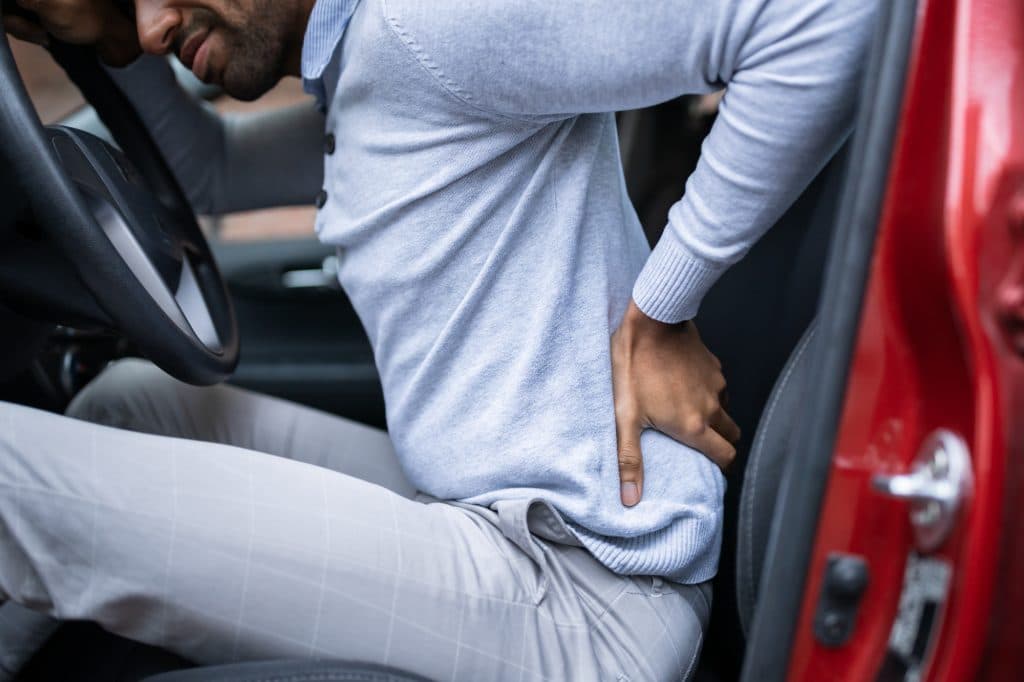
How Medical Bills Are Paid After a Car Accident In Florida
In Florida, the primary way medical bills are paid after a car accident is through Personal Injury Protection (PIP) coverage. Every driver with auto insurance is required to carry at least $10,000 in PIP coverage, sometimes called “no-fault” insurance. That means your own insurance helps cover costs, even if you caused the crash.
Here’s what PIP typically covers:
- 80% of medical expenses related to the accident (up to $10,000), including hospital visits, prescriptions, and follow-up medical care.
- 60% of lost wages if your injuries prevent you from working.
- $5,000 in death benefits in fatal accidents.
When you seek treatment, your medical providers usually bill your car insurance directly. The insurance company pays 80% of the balance until your PIP coverage is exhausted at the $10,000 cap.
It’s important to know that this cap doesn’t mean treatment stops—it just means you may need other coverage to keep paying your medical bills.
One option is Medical Payments Coverage (MedPay). Unlike PIP, MedPay is optional, which means not every driver carries it. But if you purchased it, MedPay can be an excellent safety net.
Here’s how it works:
- MedPay covers the remaining 20% of your medical expenses that PIP does not pay.
- It can also extend your coverage beyond the $10,000 PIP limit, depending on the amount of MedPay you purchased.
- For example, if you carry $5,000 in MedPay, your total available medical coverage becomes $15,000 ($10,000 PIP + $5,000 MedPay).
Because MedPay is optional, many Florida drivers don’t have it. But for those who do, it can make a huge difference in covering your medical bills after an auto accident.
Covering Medical Expenses with Health Insurance After a Car Accident
If you’ve exhausted your PIP coverage (and any optional MedPay benefits), your next option is usually your health insurance. Many providers will accept claims for accident-related medical treatment once auto insurance benefits run out.
However, health insurance doesn’t always make things simple. You may face:
- Co-pays, deductibles, and out-of-pocket expenses that add up quickly.
- Disputes from the insurance company about whether certain care is accident-related.
- Delays in payment, leaving you responsible for medical expenses in the short term.
And if you’re only collecting 60% of your lost wages through PIP, even small co-pays can put additional financial stress on your household.

Can The At-Fault Driver Pay Your Medical Bills After a Florida Accident?
If you’ve worked through PIP coverage, checked for MedPay benefits, and used your health insurance, you might be wondering if you have any other way to pay your bills.
The answer is simple: if another driver was at fault, they may be legally responsible for your medical expenses. In Florida, the at-fault driver can be held accountable.
Through a personal injury case, your attorney can pursue compensation from the at-fault driver (and their insurance company) for:
- Outstanding medical bills not covered by PIP or health insurance
- Future medical treatment you may need for long-term recovery
- Lost wages and loss of earning capacity if you can’t return to work right away
- Pain and suffering, emotional distress, and other non-economic damages
This process usually involves negotiating with the other driver’s insurance company for a fair settlement. If the insurer refuses to pay what’s reasonable, your attorney can file a lawsuit and fight for compensation in court.
Working with an experienced car accident attorney is crucial here. Insurance companies have teams of adjusters and lawyers working to reduce what they pay. Having a law firm like Beers & Gordon on your side means you have advocates focused on protecting your rights and making sure the at-fault party pays medical bills they are legally responsible for.
Covering Your Medical Bills Without Insurance
Not everyone in Florida drives or has access to affordable health insurance. But that doesn’t mean you should be denied medical care after a crash. If you’ve already used your PIP coverage or you don’t have any insurance at all, you may still have options to get the treatment you need without paying upfront.
One common solution is a legal agreement called a Letter of Protection (LOP). This agreement allows doctors and medical providers to continue treating you without requiring immediate payment. Instead, the provider agrees to wait until your personal injury case is resolved to collect on the bill.
An LOP can be a vital safeguard if you don’t have insurance or the funds to cover medical expenses right away. It ensures you still get the medical treatment you need while protecting you from the stress of unpaid bills going to collections and harming your credit.
Let Beers & Gordon Help
Recovering from a car accident is hard enough without the added stress of figuring out how you’re going to pay for your injuries. Between PIP, MedPay, health insurance, and claims against the at-fault driver, the process can be confusing—and mistakes can be costly.
While you focus on healing, our team can work directly with your medical providers, your auto insurance, and your health insurance to make sure your medical expenses are handled properly. We also fight to reduce balances so you keep more of your settlement in your pocket.
At Beers & Gordon, we know how overwhelming it can be to manage bills after a crash. That’s why we step in to protect your rights, prevent unpaid bills from going to collections, and pursue every option to ensure the responsible party pays your medical bills.
Don’t let medical debt jeopardize your recovery. Call us today for free advice on how to handle your medical bills after a car accident and start focusing on what matters most—your health.