
PIP Insurance in Florida: What It Covers and How It Works After a Crash
Posted on: December 19, 2025PIP, or personal injury protection coverage, is mandatory for all Florida drivers and can help pay medical bills and certain other losses after a car accident. But “required” doesn’t always mean “clear,” most people only learn the rules when they’re already hurt and the clock is ticking.
Below is a plain-English breakdown of how PIP insurance in Florida works, what it covers, the deadlines that can make or break your benefits, and what to do if the insurance company is making things harder than it should be.
Quick answers about Florida PIP
- What does PIP stand for? Personal injury protection.
- What is Florida PIP? Coverage on your own auto policy that helps pay certain accident-related losses, even if you caused the crash.
- How much PIP do Florida drivers have to carry? At least $10,000.
- Do you have to get treatment quickly? Yes, you generally must seek treatment within 14 days to access PIP benefits.
- Will your insurer raise rates just because you used PIP? They are not allowed to raise rates solely for making a PIP claim, but insurers may point to other reasons.
What is PIP?
Under Florida law, all drivers must carry at least $10,000 in personal injury protection (PIP) coverage (as well as $10,000 in property damage liability).
In the event you (or your passengers) are injured in an auto accident, PIP will cover the cost of the following:
- 80% of any and all medical bills relating to your injuries
- 60% of any loss of income (wages) or earning capacity
- 80% of prescriptions for medication prescribed as a result of injury
- Reimbursement of mileage to and from any medical facility
- Death benefits (up to $5,000)
Because PIP is applicable even if you are at fault, it is sometimes also referred to as “no-fault insurance” or Florida’s No Fault Law.
Even though coverage is available up to $10,000, you will not be able to receive more than $2,500 in benefits unless you are diagnosed with an “emergency medical condition.”
Florida law defines an “emergency medical condition” as a condition that requires immediate medical attention and could reasonably be expected to result in serious jeopardy to the patient’s health. A medical doctor or nurse practitioner will need to determine whether you qualify for this condition.
In Florida (as in any no-fault state), each person involved in an auto accident must turn to their own insurance coverage to pay for their medical bills. PIP not only covers the policyholder, but any members of their household as well as passengers who do not own a vehicle and do not have their own PIP insurance.
Additionally, pedestrians and bicyclists involved in an accident with a motor vehicle may also be covered by the at-fault driver’s PIP insurance.
A simple way to think about the process
- Get evaluated and treated for accident injuries.
- PIP is billed first for covered treatment.
- PIP pays only a portion (for example, 80% of medical bills), up to your available benefits.
- Any remaining balances may become part of a separate claim against the at-fault party.
- If deadlines or coverage disputes pop up, the claim can get complicated quickly.
Things get tricky when the accident occurs out of state. If you are driving in your own car and get in an accident while outside of Florida, you could be covered by your personal injury protection benefits. However, if you are a passenger in another car, your insurance might not cover your injuries.
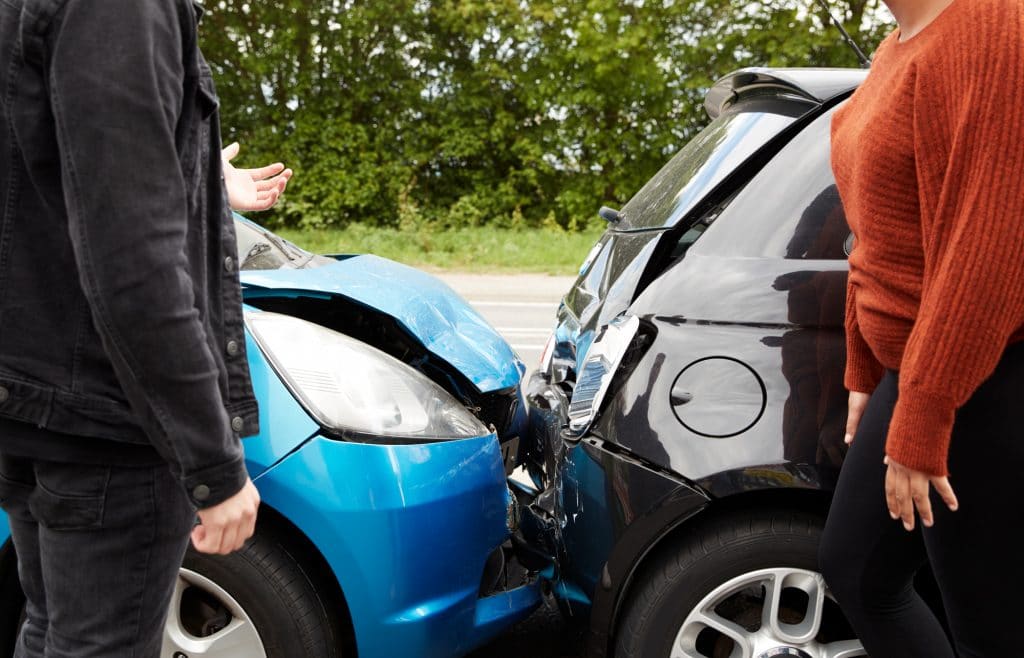
How Soon After An Accident Do I Need To Seek Treatment?
In the state of Florida, you must seek medical treatment within 14 days of a car accident in order to receive your PIP benefits.
This is why it’s crucial to see a doctor as soon as possible after an accident, even if you don’t think you are injured. In fact, it’s not uncommon for car accident injuries to lay dormant until several days or even weeks after the accident.
If you wait too long to seek medical attention after an accident, you risk losing your PIP benefits altogether. And losing your PIP benefits can have major consequences on any claims you have.
Additionally, insurance companies may use your delay in seeking medical attention as evidence that your injuries are not as severe as you claim, or that your injuries were not actually caused by the car accident.
Quick checklist after a crash (PIP-focused)
- Get checked as soon as you can, and do not push past the 14-day window.
- Keep copies of discharge papers, referrals, and bills.
- Track mileage to medical appointments.
- Save notes about symptoms that appear later.
Do I Have To Use PIP Even When I’m Not At Fault?
Yes, you are required to use your PIP coverage in Florida even if you did nothing wrong and the other driver is completely at fault.
As a driver, you have paid for PIP coverage as part of your insurance premium. The cost of this coverage is built into your premium, with the understanding that PIP will be used no matter who is at fault.
Even if you have health insurance, PIP coverage is still required to be used first in the state of Florida. In fact, most health insurers will not pay for treatment until your PIP benefits have been exhausted.
On the surface, it might not feel fair to have to use your own insurance after an accident caused by someone else. However, there are some benefits.
For example, most health insurers have a right of subrogation, which means that they are allowed to recover what they have paid. This means that if your health insurance pays for $10,000 in medical expenses, you will owe them that amount out of any settlement you receive.
PIP, on the other hand, covers medical expenses with no requirement that you reimburse them later, even if you receive a settlement from a third party.
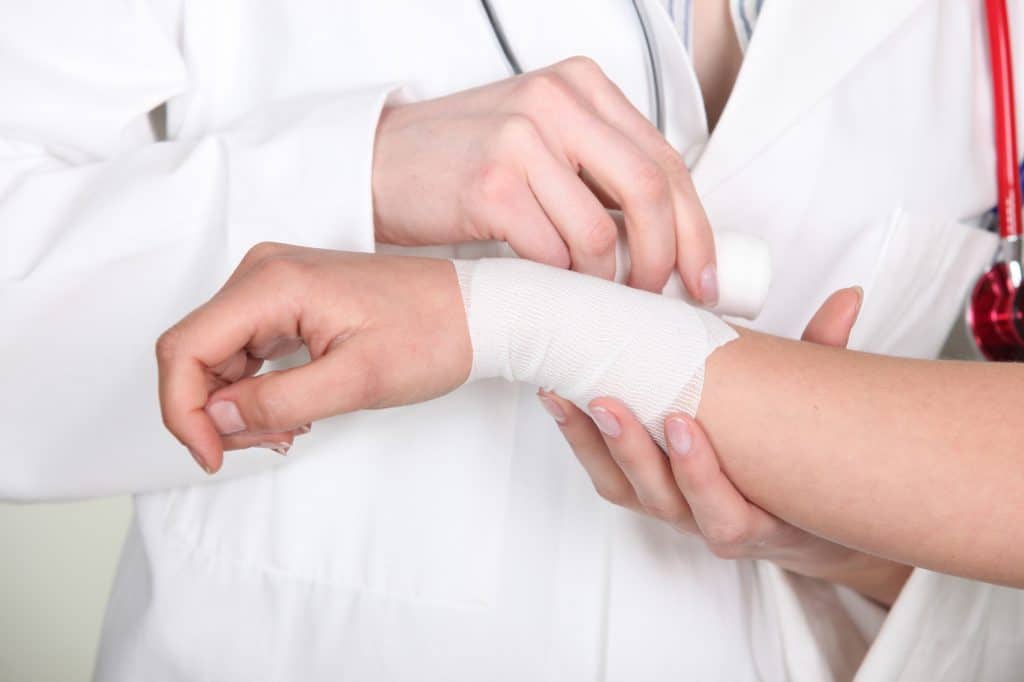
Who Pays For The Balance Of The Bills?
PIP will only pay 80% of any medical bill. The remainder of the medical bills remains your responsibility.
These outstanding balances constitute “out-of-pocket expenses,” which can be claimed as damages against the at-fault party. There may be other forms of coverage available to cover the remaining balance including health insurance, medical payment auto coverage, Medicaid, or Medicare.
Another option available to you is working with a personal injury lawyer to make a claim against the at-fault insurer.
In our experience, the insurer does not pay the balance until you or an attorney makes a demand for it. If you win, the insurance company will not pay the 20% balance after each doctor visit; rather, you will receive a one-time settlement that should include enough funds to cover this balance.
We are also aware that at-fault party insurance companies have advised our patients that they will pay the 20% balance, only to later state that they will only pay a portion of the balance, due to some claimed issue by the insurer. Many times, the insurer will claim that you treated “too much” and they will not pay all of the 20%. This is one of the reasons we recommend that you seek counsel who can best protect you.
Does PIP cover car damage?
PIP is designed to cover injury-related losses, like medical bills and certain wage loss. It is not the coverage that pays to repair your vehicle.
Vehicle damage is typically handled through property damage coverage and, depending on your policy, collision coverage. If you’re unsure which coverage applies, it’s worth asking before you assume a bill is “not covered,” or before you pay out of pocket.
Will Using PIP Raise My Rates?
Because you are required to use PIP insurance for treatment, your insurance company is not allowed to raise your rates for making a PIP claim. However, you are dealing with insurance companies. If they can find a secondary reason to raise your rates, they will.
Rarely have we seen clients’ rates rise, but when they have, we learn about an at-fault crash a year earlier, a recent property damage claim, or a speeding ticket that the insurer uses as a pretext to raise their rates.

Contact an Experienced Car Accident Attorney
If you have been injured in an auto accident, it is important to protect your rights and get the compensation you deserve. Whether you are dealing with PIP insurance, dealing with an at-fault party, or having difficulty getting the medical treatment you need, a car accident attorney can help you navigate the complex legal system.
If you are in the Orlando or Central Florida area, contact us here at Beers & Gordon. Our experienced attorneys have helped countless clients receive the compensation they deserve after a car accident. We will work tirelessly to ensure that your rights are protected and that you receive the best possible outcome for your case.
Don’t wait. Contact Beers & Gordon today to schedule a free consultation and discuss your case. Let us help you get the compensation you deserve.