Who’s at Fault in a T-Bone Accident?
Posted on: September 3, 2025It happens in an instant: you’re driving through an intersection, and suddenly another vehicle slams into the side of your car. The force spins you around, leaving you stunned, injured, and wondering what just happened.
This type of crash—known as a T-bone accident—is one of the most dangerous on the road. Unlike rear-end or head-on collisions, where the trunk space or engine block absorb some of the force, side impacts leave only a thin door and window between you and the oncoming vehicle. That means more of the crash energy is transferred directly to you, increasing the likelihood of serious injuries.
If you’ve been involved in a T-bone collision, the steps you take next can make all the difference in protecting your health, your rights, and your ability to recover compensation. An experienced car accident lawyer can guide you through the process and help you understand your options.
What Is a T-Bone Accident?
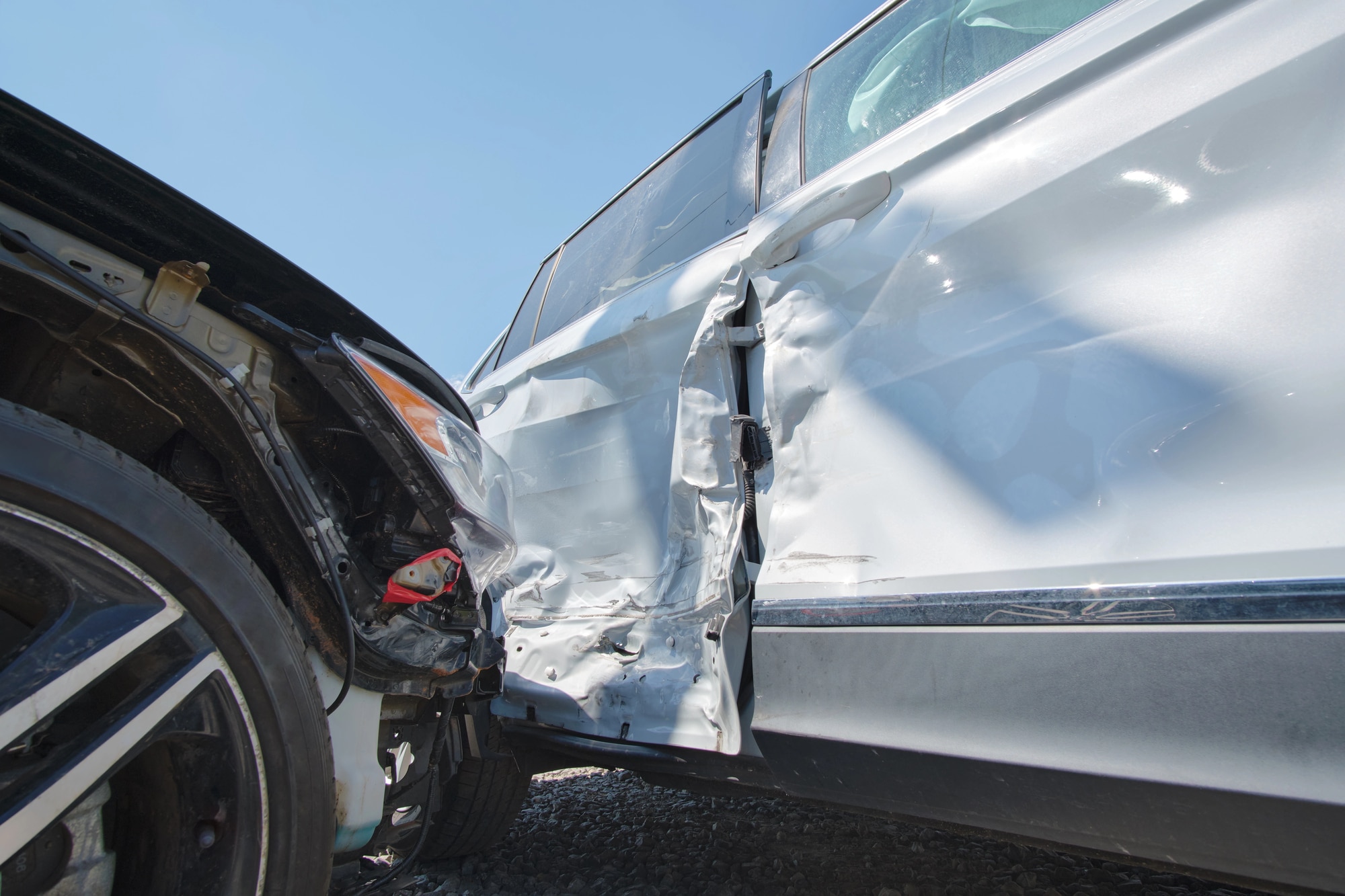
A T-bone accident, sometimes called a broadside collision, happens when the front of one vehicle strikes the side of another.
These types of side impact collisions can occur at intersections, parking lot exits, or anywhere drivers cross paths without proper clearance. When drivers fail to yield or stop in time, the result is not only significant vehicle damage but also an increased risk of severe or even life-threatening harm.
Because the front of one vehicle is colliding directly with the side of another, the people inside the struck car often take the brunt of the impact. Common injuries include whiplash, fractures, head trauma, and internal injuries—all of which can leave lasting physical and financial consequences when a vehicle collides in this way.
Who Is At-Fault In a T-Bone Accident?
There’s no hard-and-fast rule that automatically assigns blame to the driver who hit the other vehicle or to the one who was struck. Instead, fault depends on the specific circumstances of the crash. Police officers, insurance companies, and sometimes accident reconstruction experts look at the facts to determine liability and decide who to label the “at-fault driver.”
For example, if a driver failed to yield at a stop sign and entered the intersection in front of cross-traffic, that driver would likely be found responsible—regardless of whether they were the one who hit another car or were struck themselves. Investigators may also review whether traffic signals were obeyed, whether either driver was distracted or texting, and what witnesses or video footage show. Sometimes, the location of the crash can determine who was in control of the intersection.
Florida follows a rule called modified comparative negligence. Under this system, each driver is assigned a percentage of blame for the crash. That percentage is then deducted from any compensation awarded.
For example, if you were found 20% responsible for the fault in a T-bone collision, your recovery would be reduced by 20%. If you are more than 50% at fault, you can’t collect compensation at all.
That’s why it’s critical to have an attorney review the evidence early and advocate for you if you’ve been found at-fault.
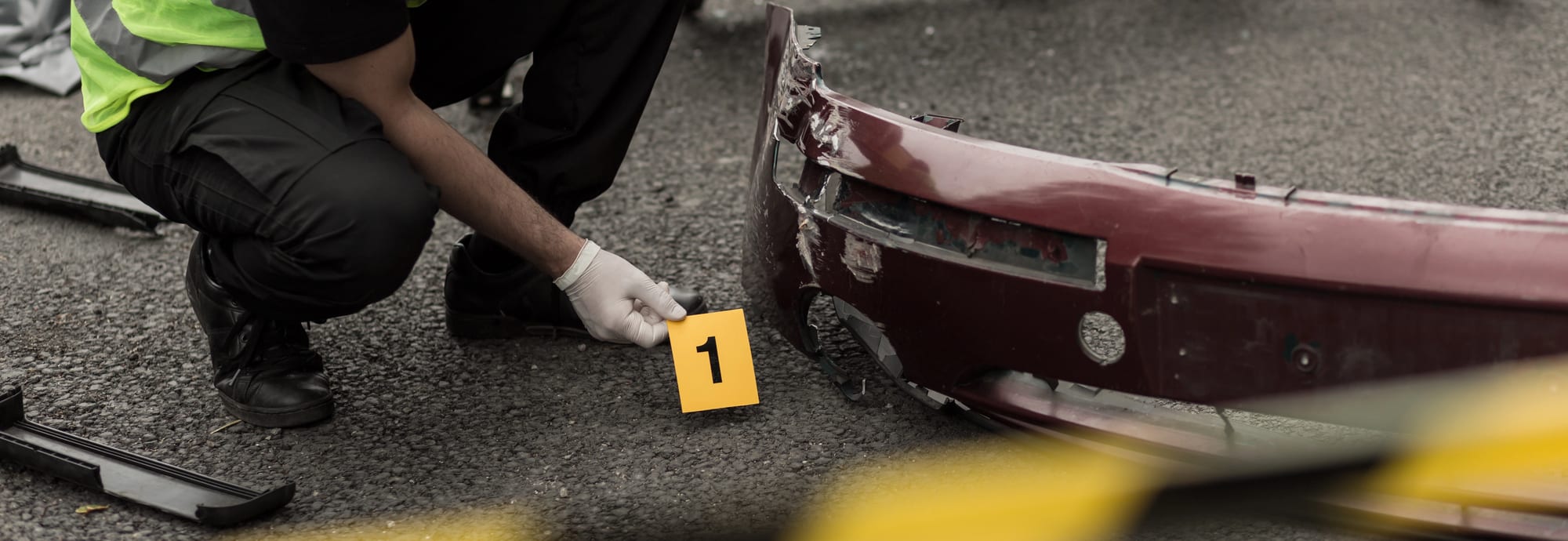
Determining who is responsible for a T-bone car accident often comes down to the quality and availability of evidence. While initial police findings and insurance adjuster opinions carry weight, the more proof you can provide, the stronger your case will be.
Preserving evidence right after the crash can make the difference between being found at fault and receiving the compensation you deserve. Here are some of the most important pieces of evidence investigators look at after a crash:
- Eyewitness accounts – Statements from people who saw the crash happen can clarify how the accidents occurred and which driver had the right-of-way.
- Documentation and police reports – Photographs of the scene and the official police report provide an objective record of what happened immediately after the collision.
- Physical damage – Paint transfer, dents, and other damage patterns can indicate where and how the vehicles made contact.
- Video footage – Traffic cameras, dashcams, or nearby security systems can offer an unfiltered view of the moments before and during the crash.
- Black box data – Many modern vehicles have an event data recorder (EDR) that acts much like a “black box.” They record information like speed, acceleration, and braking just before impact, which can help reconstruct the crash sequence.
What To Do After a T-Bone Accident
The moments after a T-bone collision can be chaotic, but taking the right steps can help protect your health, your rights, and your ability to recover damages. Try to remain calm and follow this simple checklist:
- Call 911 – Report the crash to law enforcement and request medical assistance if anyone is hurt.
- Document the scene – Take clear photos of vehicle damage, skid marks, traffic signals, and anything else that might show how the accident happened. Document the location of the vehicles post-crash BEFORE they are moved.
- Exchange information – Get names, contact details, driver’s license numbers, and insurance information from all involved parties.
- Talk to witnesses – If possible, collect names and phone numbers of people who saw the collision.
- Seek medical attention – Even if you feel fine, some injuries take hours or days to show symptoms.
- Call an attorney – Before giving detailed statements to insurers, speak with a car accident attorney who can protect your rights and guide you through the claims process.
These steps can help you secure important evidence and avoid mistakes that could hurt your case later.
How a Lawyer Can Help After a T-Bone Accident
If you’ve been injured in a T-bone crash caused by another driver’s carelessness, having a personal injury lawyer on your side can make the process less stressful and improve your chances of a fair outcome.
From the moment you hire legal counsel, they can step in to protect your rights and handle the details while you focus on recovery.
An attorney can:
- Gather and preserve crucial evidence such as photos, police reports, and video footage.
- Work with accident reconstruction experts to show who had the right-of-way.
- Handle communication with insurance companies to prevent lowball offers or tactics that shift blame onto you.
- Calculate the full extent of your damages—including medical costs, lost wages, and pain and suffering—so nothing is left out of your claim.
- Negotiate aggressively for a settlement that reflects the true impact of the accident.
By letting a lawyer manage the legal and procedural side of your case, you reduce the risk of costly mistakes and give yourself the best possible chance at recovering full compensation from the driver who caused your injuries.
Protect Your Rights and Your Recovery
A T-bone accident can leave you with painful injuries, mounting medical bills, and uncertainty about what comes next. But you don’t have to face these challenges alone. The sooner you speak with a legal professional, the sooner you can start building a strong case and focusing on your recovery. An experienced personal injury lawyer can gather evidence, deal with the insurance companies, and fight for the compensation you deserve.
If you or a loved one has been hurt in a T-bone crash, contact Beers & Gordon today for your free consultation. We’ll review your case, explain your options, and help you take the next steps toward protecting your health and your future.